
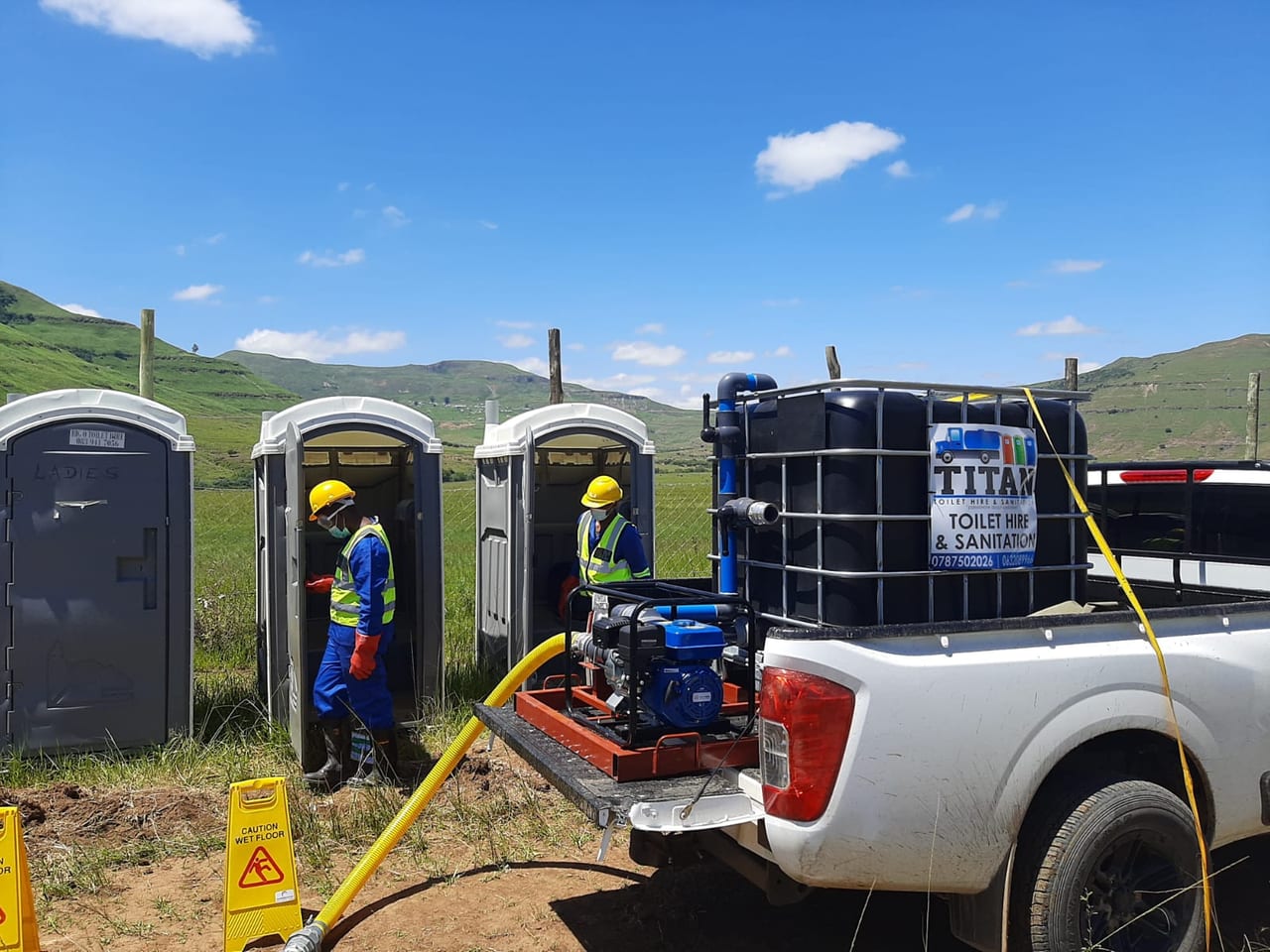
A hire arrangement works better when everyone knows which tasks belong to the site team and which are included in the contractor’s service. “Cleaning included” can leave questions about consumables, checks between visits and tank emptying unless the scope is written down.
Use the following division of work as a discussion sheet. Confirm the actual duties and frequency in your agreement.
Separate routine checks from technical servicing
Routine checks can identify an untidy floor, an empty paper holder, a failed lock or a handwashing station that needs attention. The person doing those checks needs a clear reporting route and suitable instructions for any cleaning assigned to them.
Technical servicing may include pumping the tank, cleaning the unit, replenishing agreed supplies and checking its condition. Satellite Industries’ operator guide describes a servicing process with several tasks. Ask which tasks your contractor has actually priced and included.
Do not treat a daily visual check as a substitute for tank servicing. Equally, an arranged service visit does not tell you who checks paper and soap between visits.
Put a name against every responsibility
| Task to agree | Record for your site or event |
|---|---|
| Opening check | Person, shift and reporting contact |
| Paper, soap and water checks | Who checks and who replenishes |
| Routine cleaning | Assigned team and agreed instructions |
| Tank emptying and technical service | Contractor and confirmed scope |
| Defect reporting | Contact and escalation arrangement |
| Access for service vehicle | Person who keeps the route available |
| Out-of-service unit | Reporting and alternative-facility arrangement |
If separate suppliers handle general cleaning and portable toilet servicing, share the responsibility sheet with both. Resolve gaps before the facilities open.
Match the schedule to actual use
There is no useful universal promise that every unit needs the same service interval. Discuss expected use, tank capacity, event duration, workforce shifts and access windows with the operator.
Ask what to do if attendance or workforce numbers increase. Agree who is authorised to request an additional visit and how charges or changes will be confirmed. Where necessary, review toilet and handwashing provision as well as the schedule.
Keep a simple inspection log
Use columns for date and time, unit or location, observation, action, responsible person and completion. An entry should help the next shift understand what happened. For example: “Handwashing point A: soap low; replacement requested from named supervisor; checked complete at 14:00.”
Avoid collecting unnecessary personal information. Focus the log on equipment condition, supplies and completed actions.
Respond to faults and access problems
Tell the operator about damaged components, leakage, unusual tank conditions or a blocked servicing route. Follow the site’s arrangements for taking an unusable facility out of service and directing people to an available alternative.
South Africa’s Facilities Regulations address the condition and maintenance of workplace facilities. Check the provisions relevant to your workplace and project. A clear task list, a usable log and an agreed reporting contact make those responsibilities easier to manage in practice.
Sources and further reading
Primary sources used for the factual references in this guide. Site conditions, contract documents and applicable local requirements still need to be checked for your project.
- Satellite Industries: Portable sanitation start-up guide
- South African Government: Facilities Regulations 2004
Published by Titan Toilet Hire.