An event’s toilet requirement depends on how the event works. Attendance is one input. Opening hours, peak periods, existing facilities, staff areas, the equipment selected and the service plan also affect the brief.
Gather the information below before asking for a quantity recommendation. Confirm the final provision with the supplier, venue and relevant local authority for your event.
Count the people who will actually be there
Record the maximum expected crowd at one time as well as total ticket sales. A steady flow of visitors across a day creates a different pattern from everyone arriving for one performance.
Add staff, vendors, performers, contractors and volunteers where they use the same facilities. Identify separate areas that cannot share toilets because of access restrictions. Keep the assumptions written down so a late attendance change prompts a review.
Describe the programme and opening hours
Tell the supplier when guests arrive, when the venue closes and whether people remain overnight. Explain any intervals or breaks that could send many people to the facilities together.
Include refreshments and alcohol in the discussion. Record the points in the programme when queues would be most disruptive. A supplier can assess a much clearer brief when these details accompany the headcount.
Check existing toilets and equipment types
Walk the venue and confirm which permanent facilities guests and staff may use. Ask about operating hours, access controls, maintenance and any limits imposed by the venue.
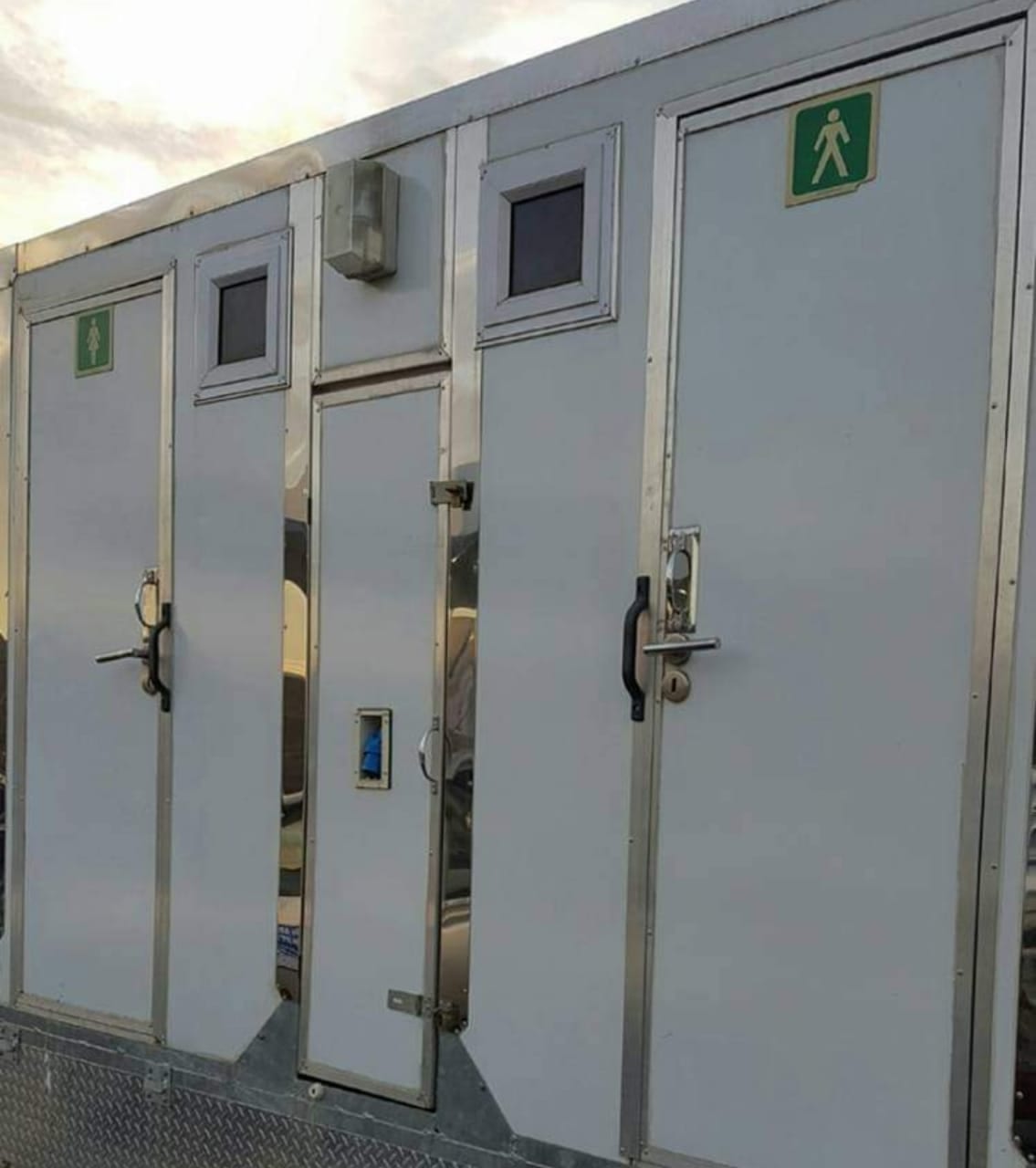
Specify facility types as well as a total number. Portable toilets, handwashing stations and trailers have different arrangements to confirm. Include accessible sanitation in the plan and check the route to it. The accessibility guide explains that walkthrough.
Confirm local requirements and servicing
The City of Johannesburg’s JOC guidance directs organisers to consult Environmental Health about waste, water, sanitation and food. Confirm the process for your own municipality and venue; a requirement for one event or location should not be assumed to cover every event in South Africa.
Agree how facilities will be cleaned and replenished while the event is open. If technical servicing is needed during the event, plan a suitable access window and route. Make space for queues without blocking walkways or emergency access.
Send this brief for a quantity recommendation
- Event location, date and opening hours
- Expected peak attendance and total attendance
- Staff, vendor and performer numbers
- Programme, intervals and overnight use
- Refreshment and alcohol arrangements
- Existing facilities that are confirmed available
- Proposed equipment types and access requirements
- Cleaning, replenishment and service windows
- Municipality, venue and approval conditions already received
Ask the supplier to state the assumptions behind its recommendation. Revisit the provision if attendance, duration, layout or available permanent facilities change. This produces a more useful decision than copying an unexplained toilet-to-guest ratio from another event.
Sources and further reading
Primary sources used for the factual references in this guide. Site conditions, contract documents and applicable local requirements still need to be checked for your project.
- City of Johannesburg: Roles of different stakeholders at the JOC
- GCIS: Government Communicators Handbook, event planning
Published by Titan Toilet Hire.