
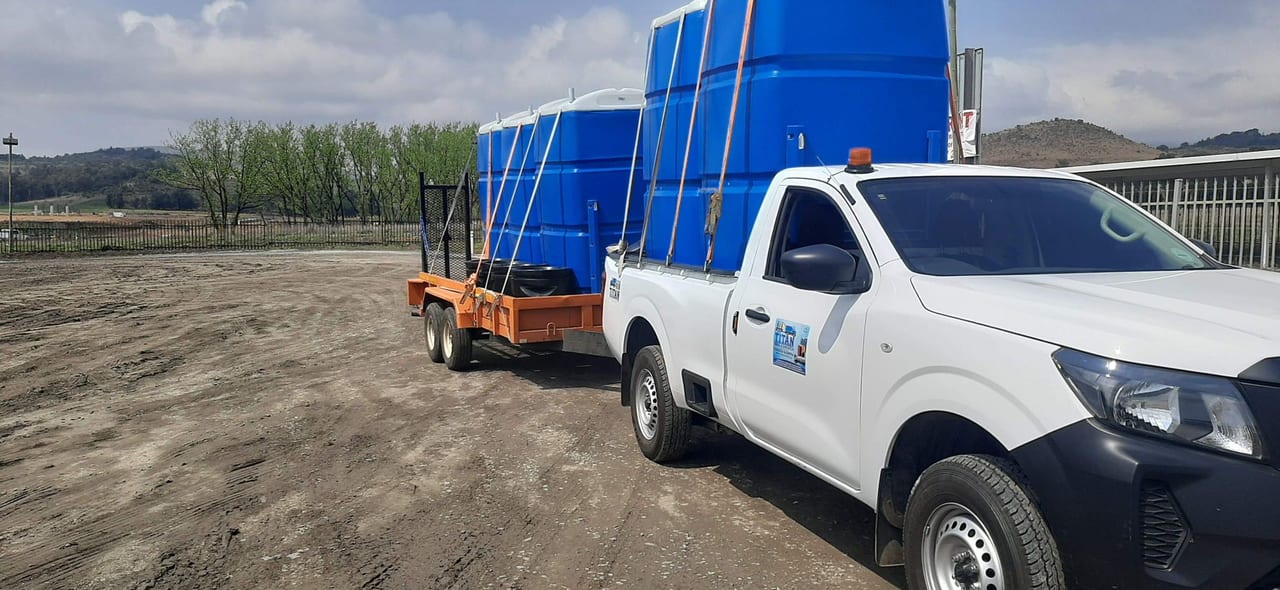
You have received an award and now need to turn it into a delivery plan. Start by identifying exactly what you must provide, who can authorise instructions and what evidence the client expects. A short mobilisation register helps you organise those decisions before people and equipment arrive.
The steps below are a practical planning framework. Your signed contract, procurement documents and project instructions determine the actual obligations.
1. Read the complete contract pack
Keep the award, signed agreement, purchase order, scope, specifications, pricing schedules, amendments and programme together. Check which documents apply and how the contract resolves inconsistencies.
National Treasury publishes General Conditions of Contract. Read the conditions attached to your own award. A requirement from another tender can be a useful question to ask, but it does not automatically apply to your contract.
Mark the start date, delivery locations, acceptance requirements, reporting duties and payment supporting documents. Ask the named contract contact to clarify missing or conflicting details in writing.
2. Build a deliverables register
Use one row for each item or service you must deliver. Break a broad description such as “site establishment” into the actual work and facilities that need arranging.
| Deliverable | Due date and location | Responsible person | Acceptance evidence |
|---|---|---|---|
| Site access confirmed | Before mobilisation | Named site contact | Written access instructions |
| Equipment delivered | Contract programme | Named supplier contact | Delivery note and agreed inspection |
| Welfare provision ready | Before the relevant work starts | Assigned site representative | Site-specific checklist |
| Service records maintained | Agreed schedule | Assigned supervisor | Dated log and completed actions |
These are example register entries. Replace them with the requirements and approval process in your contract.
3. Confirm site access before booking delivery
Arrange a handover conversation with someone authorised to discuss the location. Record gate access, induction requirements, permitted delivery times, unloading arrangements and a telephone contact for the day.
A supplier needs the actual delivery point. A broad suburb or project name may leave several entrances and access routes unresolved. Share a marked plan or photographs where they help explain the route.
4. Include welfare in the work programme
For work involving a temporary site, identify toilet, handwashing, drinking-water and other welfare arrangements with the person responsible for site health and safety. Confirm who provides each facility, when it must be usable and who maintains it.
If you need portable toilets or handwashing equipment, prepare the workforce, dates, location and access information before requesting a quote. Include cleaning, replenishment, servicing, relocation and collection in the discussion. The construction welfare checklist helps organise these questions.
5. Agree records and changes
Confirm who signs delivery notes, checks work and receives service reports. Ask what must accompany an invoice and where documents should be sent. Keep instructions, defects, acceptance records and approved variations in a consistent project folder.
Before mobilisation, check that every open item has a named owner and a deadline. If an assumption could change the price, timing or specification, resolve it through the contract’s agreed instruction process.
Sources and further reading
Primary sources used for the factual references in this guide. Site conditions, contract documents and applicable local requirements still need to be checked for your project.
Published by Titan Toilet Hire.